Campden Hill end of tenancy cleaning checklist
Posted on 29/05/2026
Campden Hill end of tenancy cleaning checklist: a practical room-by-room guide
Moving out in Campden Hill can feel oddly fast and oddly personal at the same time. One day you are still surrounded by mugs, chargers, half-packed boxes and that one drawer you keep meaning to sort out; the next, you are staring at an empty flat and wondering whether the place is clean enough for the final inspection. That is exactly where a solid Campden Hill end of tenancy cleaning checklist helps. It turns a messy handover into a clear plan.
This guide breaks the job into manageable steps, room by room, with the practical details tenants often miss. It also explains what landlords and letting agents usually look for, where people go wrong, and when it makes sense to bring in professional support such as end of tenancy cleaning in Holland Park. If you are trying to leave the property in good shape, avoid avoidable deductions, and move on without drama, you are in the right place.
Why Campden Hill end of tenancy cleaning checklist Matters
End of tenancy cleaning is not just about making a flat look neat. In rental handovers, the standard is usually much higher than a quick weekend clean. You are trying to return the property in a condition that matches the tenancy agreement, the inventory, and the level of cleanliness expected at check-out. That means more than wiping visible surfaces.
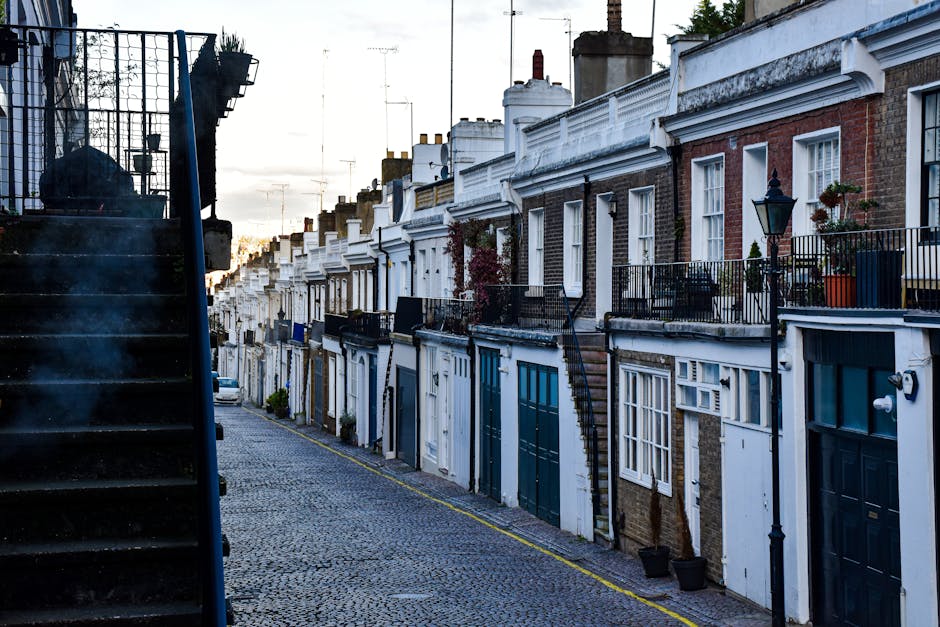
Campden Hill properties often include a mix of period features, polished surfaces, fitted appliances, sash windows, wool carpets, and older fixtures that gather dust in awkward places. Lovely to live in, slightly annoying to clean. To be fair, that is part of the charm. But it also means you need a proper system. If you miss build-up behind radiators, grease inside the oven, or limescale around taps, those details can stand out during inspection.
A structured checklist helps you do three things well:
- Reduce the risk of deposit deductions caused by incomplete cleaning.
- Save time by working methodically instead of randomly jumping between rooms.
- Leave a better impression with the landlord or letting agent, which matters more than people think.
If you are moving into a new place nearby, or leaving one close to the area's busy residential streets, a clean handover also makes the whole move feel less chaotic. You are not just cleaning for a checklist. You are closing a chapter properly.
For readers who want a broader view of the area and its housing character, the article about Holland Park as a picturesque London suburb gives useful local context, while this guide to the local property market is helpful if you are moving between homes in the same neighbourhood.
How Campden Hill end of tenancy cleaning checklist Works
The checklist works best when you treat it as a sequence, not a random list of chores. Start by understanding the property's condition at the start of your tenancy, then work through the main cleaning zones in a logical order. In most cases, that order is: declutter, dust, degrease, scrub, detail, and final inspection.
Think of it like this: if you clean surfaces before removing clutter, you will end up cleaning the same area twice. If you tackle the oven before the kitchen cupboards, crumbs will fall back where you have already cleaned. A little bit of order saves a surprising amount of effort. Nobody needs extra work on moving day, honestly.
A proper move-out clean usually includes:
- kitchen appliances and cupboards
- bathrooms and sanitary fittings
- floors, carpets, and skirting boards
- windows, frames, and sills
- high-touch points such as handles, switches, and banisters
- internal storage spaces like wardrobes and drawers
Some tasks are basic, others are more detail-heavy. For example, vacuuming a carpet is not the same as removing embedded dirt or pet hair from it. That is why many tenants choose dedicated carpet cleaning in Holland Park or even specialist carpet cleaners in W8 when the flooring needs more than a quick pass.
For homes with upholstered furniture left behind or included in the tenancy, upholstery cleaning in Holland Park may also be worth considering. A sofa that looks clean from a distance can still fail close-up if dust, marks, or odours are lingering.
Key Benefits and Practical Advantages
The obvious benefit is a cleaner property. The less obvious benefit is control. When you know exactly what needs doing, the whole move feels less like a scramble and more like a process you can actually finish.
Here are the main advantages of using a checklist:
- Better time management: you can assign jobs across a day or two instead of panicking in the final hour.
- Clearer standards: you know what "clean" means in a handover context, not just in everyday life.
- Less overlap with movers: you can clean in a practical order around boxes and furniture removal.
- Stronger inspection readiness: the flat is more likely to look consistent across all rooms.
- Peace of mind: let's face it, that alone is worth a lot when keys are due back.
There is also a financial angle. A missed oven tray, dirty shower screen, or dusty wardrobe shelf may seem tiny, but small issues can add up during checkout disputes. Not always, but often enough that it makes sense to be thorough.
Practical takeaway: the best end of tenancy clean is the one that matches the property's original condition as closely as possible, with special attention to hidden dirt, limescale, grease, and floor edges.
Tenants in Campden Hill often deal with a mixture of compact flats and larger homes, so a one-size-fits-all approach does not always work. If the property has multiple bathrooms, built-in storage, or older decorative details, the time required can increase quite a bit. That is where a checklist becomes more than just helpful; it becomes essential.
If you are comparing service options, the overview at services overview is a useful starting point, and the page on pricing and quotes can help you judge whether doing it yourself or hiring help is the smarter route.
Who This Is For and When It Makes Sense
This checklist is for anyone leaving a rented property in or around Campden Hill, but the details matter a little differently depending on your situation.
- Tenants at the end of a fixed term who want to protect their deposit and meet handover expectations.
- Sharers in flatshares who need a fair way to divide cleaning tasks before check-out.
- Families moving house who need a realistic plan for a larger property with more surfaces, cupboards, and floors.
- Landlords preparing a property for new occupants and wanting a consistent standard before reletting.
- People leaving furnished lets where furniture, carpets, and appliances all need extra attention.
It makes sense to use this checklist whenever the move-out clean is more than a light tidy. If you have been in the property for a while, cooked regularly, had pets, or lived with hard water marks building up over time, you will almost certainly need a fuller approach.
It also makes sense when time is tight. For example, if you are handing back keys the morning after a removal van has taken the last box, you do not want to be making decisions room by room. That is exactly when a checklist quietly saves the day.
If you are still in the early stages of moving or planning the next property, the local reading on buying a home in Holland Park can be useful background. If you live nearer the station and are dealing with a smaller flat, this deep cleaning guide for flats near Holland Park station is a practical companion piece.
Step-by-Step Guidance
The simplest way to handle end of tenancy cleaning is to move from room to room, top to bottom, and clean from the least dirty areas to the most stubborn ones. Start with dust and dry debris, then move into wet cleaning and detailed work.
1. Prepare the property
Before you clean, remove all personal items, bin bags, food, toiletries, and anything left in cupboards or drawers. Open every storage space. If you leave things behind, you will only end up cleaning around them. Not ideal.
Check your tenancy inventory and note any pre-existing marks, chips, or wear. You are not trying to repair normal age-related use; you are trying to return the property in a clean and orderly state.
2. Dust from the top down
Start with light fixtures, picture rails, tops of doors, shelves, and cupboards. Dust falls, so it makes sense to clean higher areas before lower ones. Then move to skirting boards, sockets, switches, and corners.
A microfiber cloth, vacuum brush attachment, and a steady hand go a long way here. It is rarely glamorous, but it works.
3. Tackle the kitchen properly
The kitchen usually takes the most time. Focus on grease, crumbs, food residue, and appliance interiors.
- Oven: racks, trays, door glass, seals, knobs, and the inside cavity.
- Hob: burners, control panel, splashback, and all surrounding surfaces.
- Extractor fan: wipe the exterior and clean filters where accessible.
- Fridge/freezer: defrost if needed, remove spills, clean drawers and shelves.
- Microwave and dishwasher: wipe interiors, seals, and visible edges.
- Cupboards: inside, outside, handles, tops, and corners where crumbs gather.
Pay attention to the small things: grease on the wall near the hob, sticky handles, and crumbs in drawer runners. Those are the sorts of details agents notice in one quick glance.
4. Deep clean the bathroom
The bathroom is about shine and hygiene. Remove limescale from taps and shower screens, clean grout where needed, and make sure the toilet, basin, bath, and tiles are thoroughly wiped down.
- descale shower heads and glass
- clean behind and around the toilet
- polish taps, plug holes, and towel rails
- wipe mirrors and vanity units
- check under sinks and around pipework for dust or residue
If there is mould or persistent damp staining, treat it carefully and document anything that is clearly an existing maintenance issue. Do not overclaim what you have fixed. Better to be honest than to create a new argument.
5. Clean bedrooms and living spaces
Empty wardrobes, wipe shelves, vacuum under beds if accessible, and clean window ledges, radiators, and behind furniture. In living rooms, check along sofa edges, lamp bases, curtain rails, and the tops of skirting boards.
If the property has been lived in for years, you will often find dust in the sort of places you never looked at during normal life. Behind radiators. In corners. Along door frames. Sneaky stuff.
6. Windows, frames, and glass
Clean internal window panes, sills, latches, handles, and tracks. If you can safely reach external glass from inside, do that too, but do not stretch into unsafe positions. Safety first. Always.
Window tracks are often missed and they can make a room look unfinished even when everything else is fine.
7. Floors and carpets
Vacuum thoroughly, including edges, corners, and under removable furniture. For hard floors, mop with an appropriate cleaner and dry properly to avoid streaks. For carpets, remove surface dust and consider a deeper treatment if there are stains or heavy traffic marks.
If carpets have been in daily use, especially near hallways or living room entrances, a standard vacuum may not be enough. A dedicated carpet clean can make the whole flat look fresher and can reduce complaints at checkout.
8. Final inspection
At the end, walk through the property as if you were the agent. Look at the room from the doorway, then from the corners, then down at skirting level. That little change in angle can reveal smudges and dust lines you missed earlier.
Check that bins are empty, lights work, windows are closed, and nothing has been forgotten in cupboards or under sinks. This final pass matters more than people think.
Expert Tips for Better Results
After enough move-out cleans, certain patterns become obvious. The people who do the best are not necessarily the ones who clean the longest. They are the ones who clean in the right order and pay attention to detail.
- Work in natural light where possible. Morning light tends to reveal dust and streaks more clearly than overhead bulbs.
- Use two cloths for kitchen and bathroom areas. One for washing, one for drying or finishing. Simple, but effective.
- Keep a small caddy of supplies. Carrying sprays, cloths, gloves, and sponges room to room saves time.
- Take before-and-after photos. Useful if a question comes up later, and a bit reassuring too.
- Focus on touchpoints. Handles, switches, rails, taps, and remote controls collect grime quickly.
One more thing: do not clean the day after the movers have been in if you can avoid it. Empty rooms are easier to inspect, and you are less likely to miss marks hidden behind furniture. If the timing is tight, at least leave enough daylight for a proper final sweep. Evening cleaning is fine in theory; in reality, it is where dust hides and patience goes to die.
For local households, the page on domestic cleaning in Holland Park can be useful if you want routine upkeep before a move, while house cleaning in Holland Park is a good fit for larger homes needing a fuller reset.

Common Mistakes to Avoid
Most move-out issues come from avoidable gaps, not from a lack of effort. That is actually the frustrating bit. People do a lot, just not the right things.
- Leaving the oven to the last minute: it is almost always the hardest task.
- Forgetting inside cupboards: outside can look perfect while the inside is dusty and crumb-filled.
- Only vacuuming carpets: stains, odours, and flattened pile may still stand out.
- Skipping behind toilets and under sinks: hidden dirt is common in both bathrooms and kitchens.
- Using too much water: especially on wood, laminate, or delicate finishes.
- Not checking the inventory: you risk cleaning things that were already marked as worn, while missing what actually matters.
Another common mistake is assuming "clean enough for us" equals "clean enough for the handover." In tenancy cleaning, that gap can be surprisingly wide. The flat may feel fine to live in. It may still fail an inspection. Bit annoying, but very common.
And yes, one stray grease mark on the splashback can somehow be the first thing everyone sees. Funny how that works.
Tools, Resources and Recommendations
You do not need a van full of equipment, but the right basics make a huge difference. Here is a sensible toolkit for most Campden Hill move-outs:
- microfiber cloths
- vacuum cleaner with brush and crevice attachments
- bucket and mop
- non-abrasive sponges
- degreaser for kitchen surfaces
- bathroom limescale remover
- glass cleaner
- rubber gloves
- bin bags and storage boxes for clearance
- a step stool for safe access to higher points
If you are comparing professional support, look for clear scope, written pricing, and a process for handling any issues after the clean. The page on insurance and safety is a useful trust signal to review before booking any service, and about us helps you understand the team behind the service. For general standards and booking terms, terms and conditions can be worth a quick read as well.
Small practical tip: keep a checklist on your phone and tick items off as you go. Paper is fine too, of course. But a phone is harder to misplace under a pile of packing tape, which seems to happen every single move.
Law, Compliance, Standards, or Best Practice
End of tenancy cleaning in the UK is usually governed more by the tenancy agreement, inventory check-in and check-out records, and general expectations of reasonable cleanliness than by one single cleaning law. That means the exact standard can vary by property, landlord, and agency. The safest approach is to follow the written tenancy documents closely and clean to a condition consistent with the start of the tenancy, allowing for fair wear and tear.
Best practice includes:
- checking your tenancy agreement for cleaning clauses
- comparing the check-in inventory with the current condition
- documenting the clean with photos once finished
- keeping receipts if you hire a professional service
- notifying the agent promptly if anything is broken or requires repair
It is also sensible to understand the difference between cleaning and maintenance. Cleaning removes dirt, grease, and residue. It does not fix damage, worn seals, or ageing fittings. If something is broken, cleaning it harder will not improve matters. A bit obvious, but worth saying.
If you are concerned about service quality or how a provider handles complaints, the company's complaints procedure is the kind of page that shows how issues are handled in practice. The health and safety policy is also worth checking where access, chemicals, or working-at-height tasks are involved.
Options, Methods, or Comparison Table
There are usually three sensible ways to handle end of tenancy cleaning: do it yourself, split it between flatmates, or book a professional service. Each has its place. The right choice depends on time, property size, and the condition of the flat.
| Option | Best for | Pros | Watch out for |
|---|---|---|---|
| DIY clean | Small, well-kept properties with enough time | Lower cash cost, full control, flexible timing | Easy to miss detailed areas; physically tiring |
| Shared clean | Flatshares and student lets | Task-sharing, faster progress, easier coordination | Uneven standards if roles are unclear |
| Professional clean | Busy households, larger homes, difficult stains | More consistent finish, less stress, better for stubborn jobs | Need to confirm scope, timing, and access arrangements |
In practice, many tenants use a hybrid approach: they clear the property and handle light cleaning themselves, then book specialist help for carpets, ovens, or upholstery. That can be a sensible middle ground, especially if the tenancy includes older flooring or multiple fabric surfaces.
If you want to compare service types in a structured way, start with the full services overview and then decide whether a dedicated end of tenancy clean is better than piecing tasks together one by one.
Case Study or Real-World Example
Imagine a two-bedroom Campden Hill flat with a small kitchen, one bathroom, wood flooring in the living room, and carpeted bedrooms. The tenants have been there for two years. Nothing dramatic has happened, but daily cooking, regular shower use, and normal foot traffic have left their mark.
They start by clearing personal items and following a room-by-room checklist. The kitchen takes longer than expected because the oven door glass has built up a film, and one cupboard shelf has crumbs tucked into the back edge. The bathroom needs a proper descale around the taps and shower screen. In the bedrooms, the skirting boards and wardrobe tops reveal a fine layer of dust that was invisible when the rooms were furnished.
At first glance, the place already looks pretty decent. But the final inspection angle matters. Once the light catches the window sill, the stovetop edge, and the carpet near the doorway, the remaining work becomes obvious. The tenants book extra carpet care, finish the last details, and hand back the keys with a much calmer feeling.
That kind of outcome is common. Not because the property was neglected, but because move-out cleaning reveals all the places normal living hides from you. And, truth be told, every flat has those places.
Practical Checklist
Use this as a working list before your final handover. Tick items off as you go, then do one last room-by-room walk-through.
- General: remove all belongings, rubbish, and recycling
- General: dust high surfaces, tops of doors, skirting boards, and corners
- General: wipe light switches, handles, banisters, and sockets
- General: vacuum all floors, edges, and under reachable furniture
- General: mop hard floors and allow them to dry
- Kitchen: clean oven, hob, extractor, and splashback
- Kitchen: wipe inside and outside of cupboards and drawers
- Kitchen: clean fridge, freezer, sink, taps, and worktops
- Kitchen: remove grease from handles, tiles, and appliance fronts
- Bathroom: descale taps, shower glass, and tiles
- Bathroom: clean toilet, basin, bath, and surrounding pipework
- Bathroom: wipe mirrors, cabinets, and shelves
- Bedrooms: empty wardrobes, clean shelves, and vacuum floors
- Bedrooms: clean window sills, frames, and vents
- Living areas: clean radiators, furniture edges, and behind sofas
- Windows: wipe internal glass, handles, tracks, and latches
- Carpets: vacuum thoroughly and treat stains where possible
- Finishing touch: check for streaks, smudges, and missed dust lines
- Finishing touch: take photos after cleaning is complete
That final photo step is not overkill. It is a quiet bit of insurance for your own peace of mind.
Get a free quote today and see how much you can save.
Conclusion
A good Campden Hill move-out clean is less about scrubbing frantically and more about working with a plan. Once you break the job into rooms, surfaces, and finishing checks, the whole process becomes much more manageable. You protect your deposit, reduce the chance of avoidable issues, and leave the property in a condition you can feel proud of.
If the flat is small and well maintained, a careful DIY clean may be enough. If the carpets are tired, the oven is stubborn, or time is running short, professional help can take a lot of pressure off. Either way, a proper checklist makes the difference between a rushed handover and a calm one.
And if you have ever stood in an empty flat with a bin bag in one hand and a cloth in the other, wondering how on earth it all still feels unfinished, well, you are not alone. A clear plan fixes that. Slowly, but it does.